
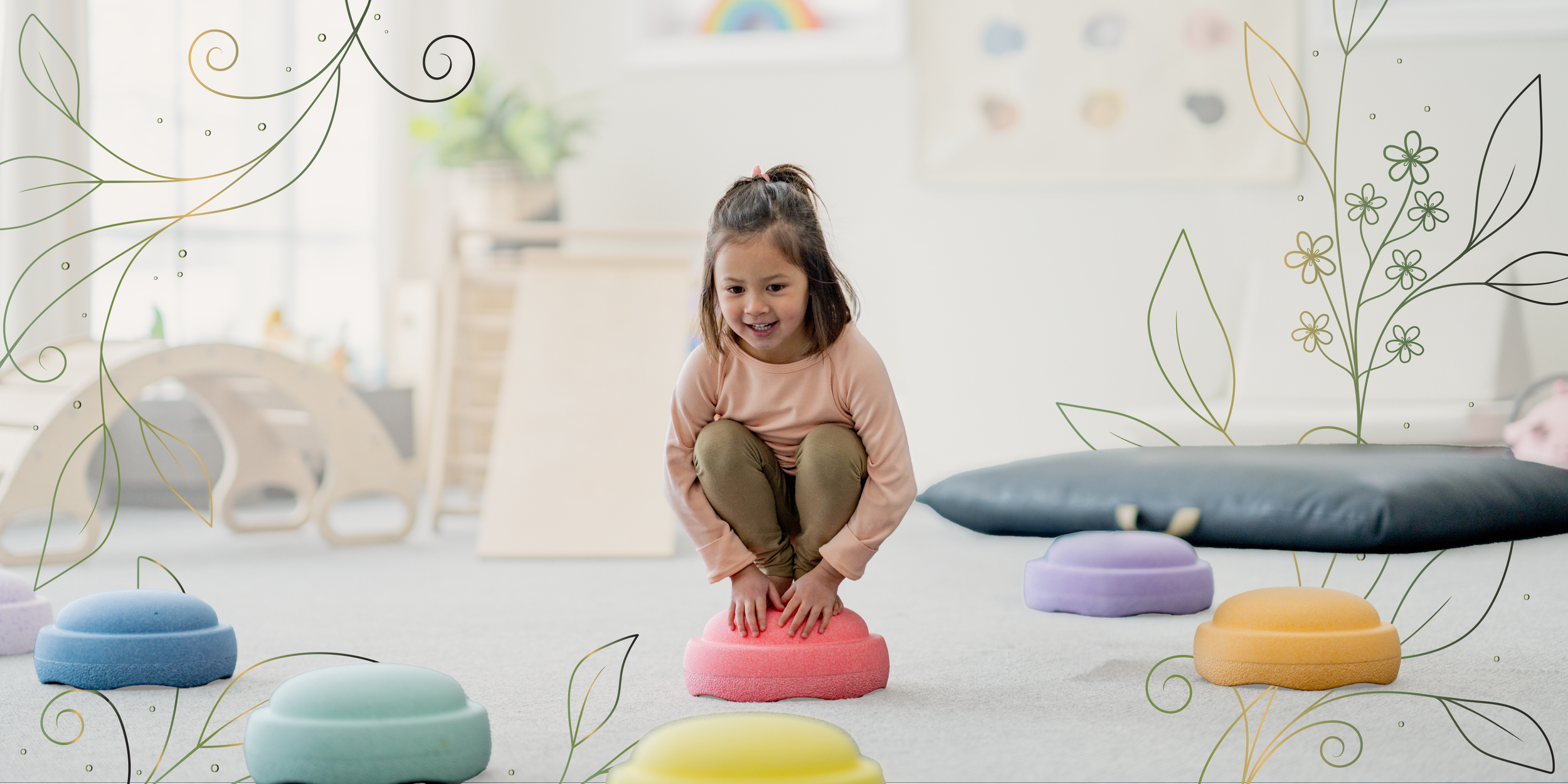
Child Therapy & Play Therapy in Denver
Supporting children as they navigate emotions, behavior, and life’s challenges.
Through play-based therapy, children are able to express feelings, process experiences, and develop the tools they need to feel more confident and secure.
When Children May Benefit from Therapy
Children often communicate distress in ways that can be confusing or overwhelming for both them and their caregivers.
Therapy can help when a child is experiencing:
Anxiety or excessive worry
Difficulty managing big emotions
Behavioral challenges at home or school
Life transitions (moves, divorce, new sibling)
Social struggles or friendship challenges
Grief or loss
School-related stress
Low confidence or self-esteem
When children have the opportunity to explore these experiences in a supportive environment, they can begin to build the emotional skills needed to navigate challenges more effectively.
Synergetic Play Therapy
A play-based approach grounded in neuroscience and connection.
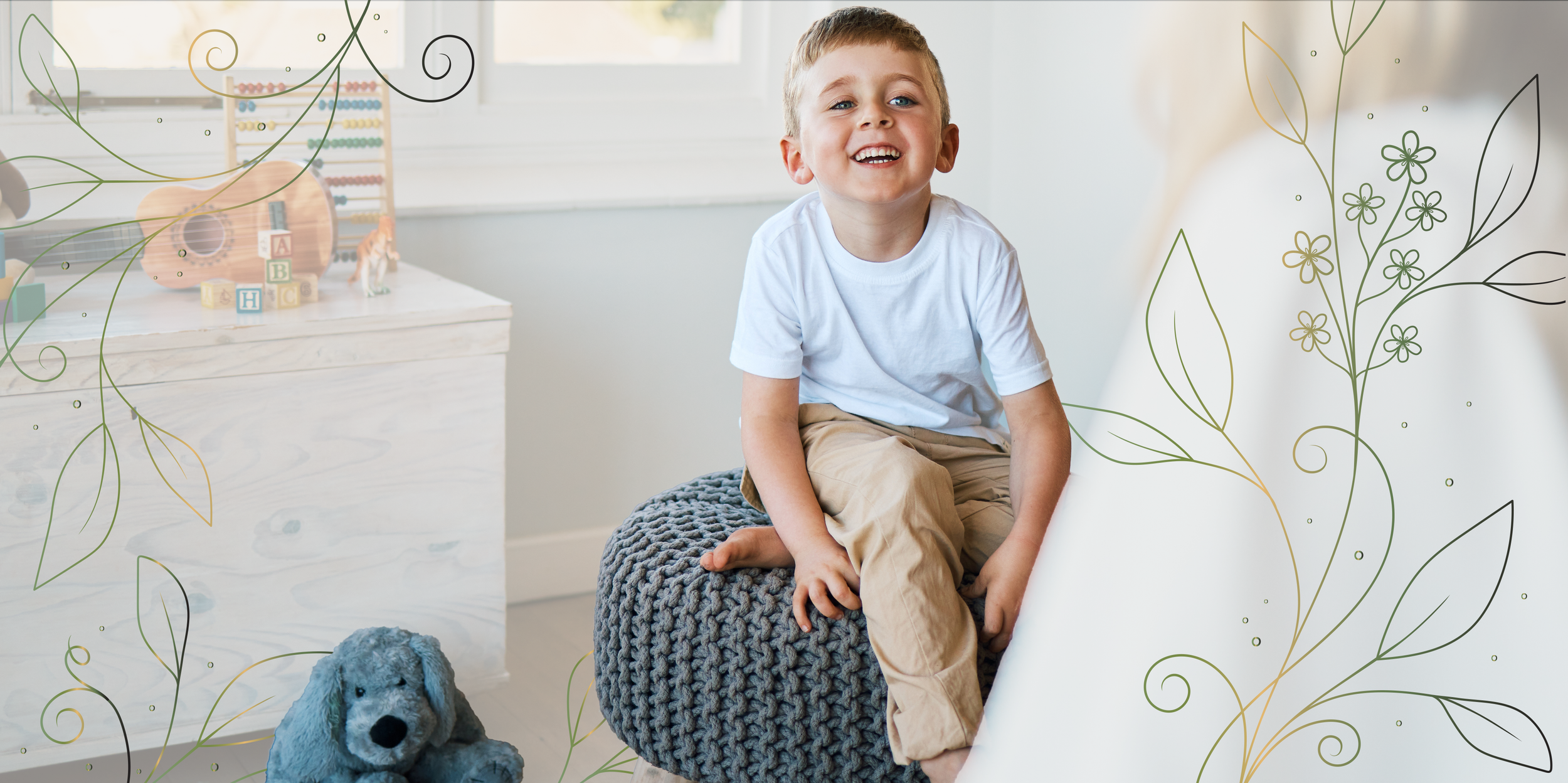
My work with children is informed by Synergetic Play Therapy, a research-informed approach that combines the natural language of play with insights from neuroscience, attachment theory, and emotional regulation.
In this approach, play becomes a powerful way for children to express what they are experiencing internally. Through toys, creative activities, and imagination, children communicate emotions, experiences, and challenges that may be difficult to put into words.
During sessions, I work alongside the child to help them:
understand their emotional experiences
build awareness of what they are feeling in their bodies
develop skills for managing big emotions
strengthen their sense of safety and confidence
The therapeutic relationship itself becomes a space where children can safely explore, learn, and grow.
What therapy looks like
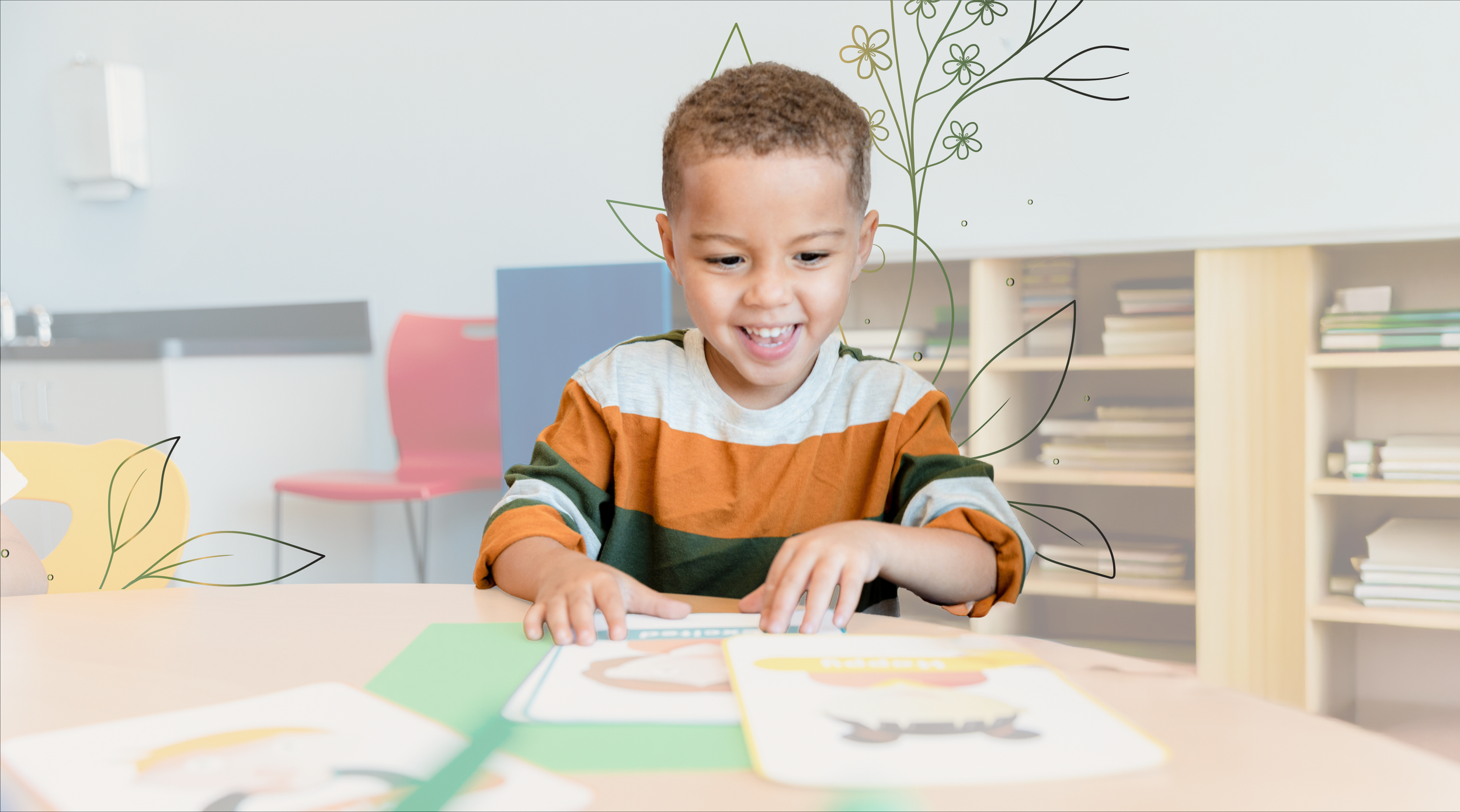
Sessions are designed to meet each child at their developmental level. Children may engage in:
play with toys and creative materials
storytelling or imaginative play
art or expressive activities
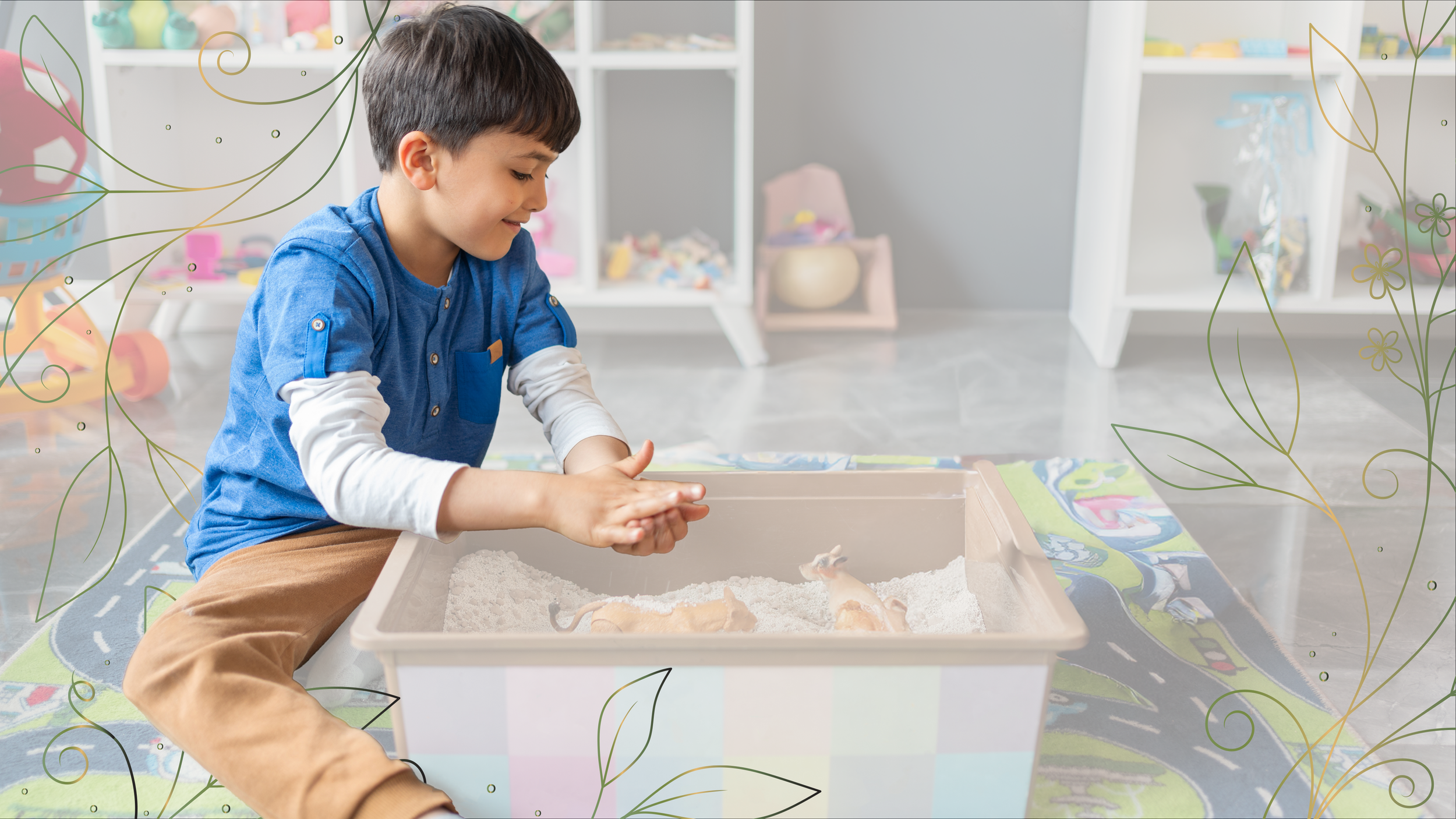
sensory exploration with sand, putty, or other materials
conversations about feelings and experiences
While sessions often look like play, there is intentional therapeutic work happening beneath the surface as children learn how to process emotions and regulate their nervous systems.

Parent Collaboration
Parents and caregivers are an essential part of the therapeutic process.
Throughout therapy, I work collaboratively with parents to better understand what a child is experiencing and to share practical strategies that support emotional development at home.
This partnership helps children experience greater consistency and support both in therapy and in their daily lives.
Most sessions consist of 40 minutes of individual therapy with the child, with the last 10-15 minutes reserved for reflection with the parent to help ground the parent in what the child is experiencing.
I always reserve space to meet with parents outside of the individual therapy and intentionally schedule regular check-ins with parents to ensure they are aware of progress and have a space to share perspective on environments outside of therapy.